
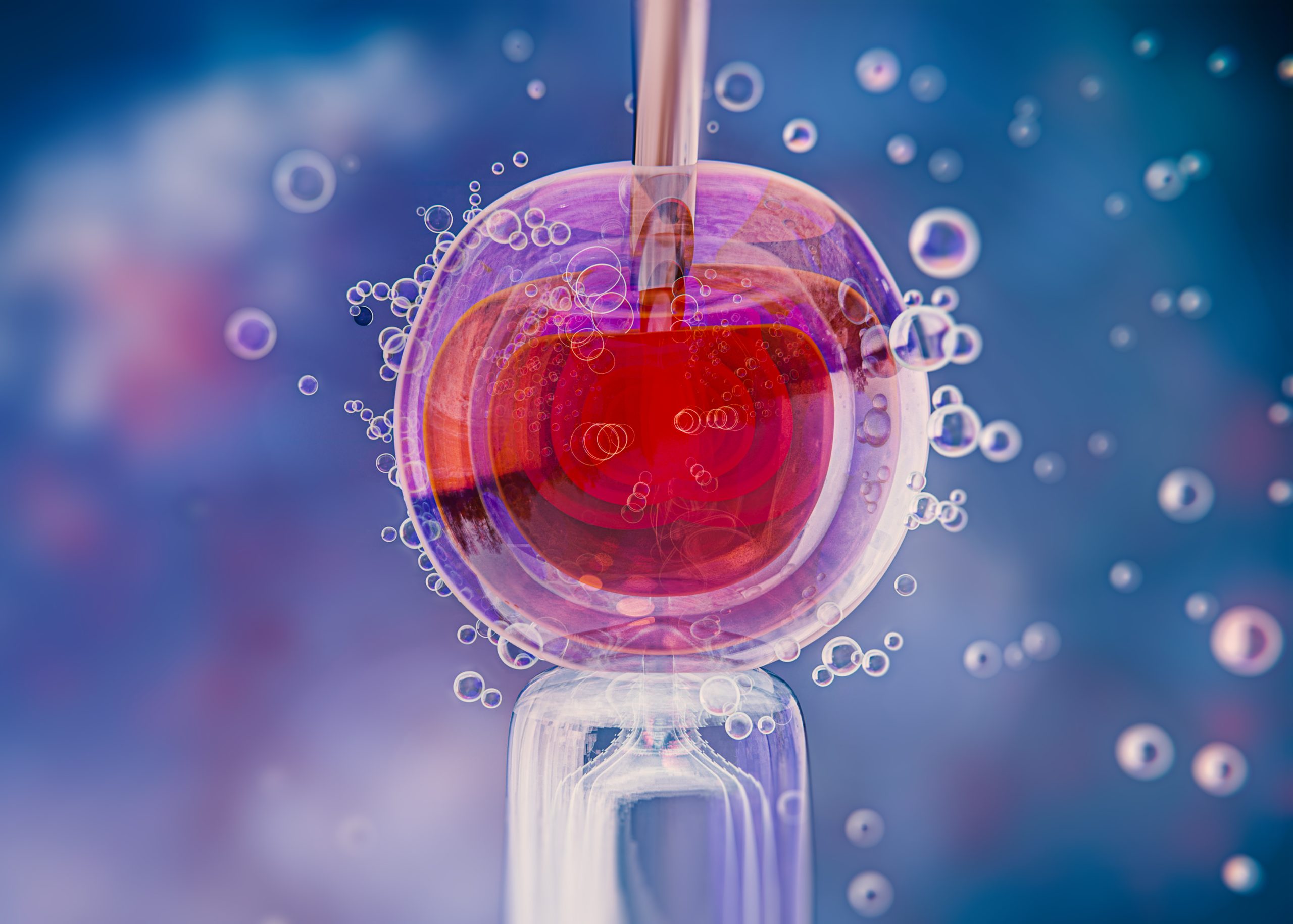
The folder is somewhere near the bed. Inside it: the protocol, the medication schedule, a list of things to avoid, and a start date that now anchors everything. You have read it more than once, because reading it again feels like doing something useful. What rarely makes the list is everything else: the state of your nervous system, the emotional load you have been carrying for months, and whether you, not just your body, have consistent, empathetic support to handle the emotional and relational weight of this process.
Most IVF preparation content covers the physical ground well enough. The foods that support hormonal balance. The supplements. The things to stop. All of that has its place, and we will touch on it here, too. But the women who tend to move through IVF with the most steadiness are rarely the ones who followed the most rigorous physical checklist. They are the ones who prepared the whole of themselves. That is what this guide is actually about.
What IVF Actually Does to Your Body
Understanding what IVF is and what the body goes through during a cycle makes a strong case for preparation that begins well before the protocol folder arrives.
- Hormonal stimulation: Daily injections over roughly ten to fourteen days encourage the ovaries to produce multiple follicles rather than the single egg that would mature in a natural cycle. The body is working significantly harder than usual during this phase, and it knows it. Bloating, tenderness, and fatigue commonly occur, honest signals of the load being carried.
- Egg retrieval: Once the follicles are ready, eggs are collected during a short procedure under sedation. It is over relatively quickly, but the body needs a few days to recover. Tenderness and tiredness afterwards are both normal and expected.
- The transfer window: After retrieval, there is a recovery period before the embryo is placed. For a fresh transfer, this window is short. For a frozen embryo transfer, there may be more time between retrieval and transfer day. Either way, the uterine lining needs to be well-prepared, and the hormonal picture needs to be stable enough to support what comes next.
How long is the IVF process? Most cycles run between four and six weeks from the start of stimulation to a transfer result. But how IVF works in practice, in a body that has been consistently supported over the preceding months, is a different picture from how it works in a body that has been depleted and then handed a protocol at the last minute.
What Nobody Tells You About the Wait
There is a particular kind of exhaustion that sets in between completing your preparation and the day stimulation begins. And then a sharper, more particular version between transfer and test day.
During both of those windows, the mind tends to fill the quiet. You catalogue every sensation meticulously, spend hours researching the cause of each twinge, and start managing hope itself: holding it close enough to keep going but not so close that it feels dangerous. All of this while continuing to work, to show up in your relationships, and to appear, to most of the world, more or less fine.
The relational weight of this window is rarely named in preparation guides. Partners often feel the distance without knowing how to bridge it. Friends mean well but run out of things to say. The experience of going through IVF can feel strangely lonely even in a full life, and that loneliness tends to be quietest in the waiting phases.
What tends to help is not thinking your way through it but staying connected to the body without fixing all your attention on it. Routines that feel grounding. Movement that feels gentle rather than driven. Time with people who do not need a full explanation of where you are. This is where having consistent, personalised wellness support across the preparation window tends to make a real difference. Many women who come to Babies Bliss share that what they valued most was not just the physical work, but a space that holds the physical, emotional, hormonal, and relational dimensions of reproductive health together in one place, working alongside your medical care rather than in place of it.
Your Mental and Emotional State is Part of Your Preparation
There is good reason to take your emotional wellbeing as seriously as your supplement schedule in the months before a cycle.
Research consistently points to the relationship between prolonged stress and the hormonal systems that regulate the cycle. A body under sustained pressure operates in a different hormonal environment than a body that has had consistent, genuine rest and nervous system recovery. But when the schedule of medical appointments, foods that boost fertility in females, and every little ‘best practice’ starts to add up, it’s easy for the stress to set in.
What is worth naming plainly is this: a body that has been running on adrenaline for months, carrying anxiety that has nowhere to go, arrives at IVF already depleted.
Building in reproductive wellness support in the months before the cycle begins is not a supplementary luxury. It is part of what genuine preparation looks like. Practical approaches that support this include breathwork and mindfulness used consistently rather than occasionally; therapeutic conversations when that feels right; rest taken seriously and protected rather than squeezed into the margins of the day; and bodywork that gives the nervous system regular windows to settle.
This is where the work we do at Babies Bliss fits most naturally into the picture. The Fertility Wellness Programme is built around cycle-aware, whole-person support across the months before a cycle. Each protocol is personalised, shaped by the physical, hormonal, and emotional picture, and adjusted week by week as the body moves through different phases. The aim is not to replace the care your clinic provides. It is to ensure that by the time their protocol begins, you are arriving with a body and nervous system that have been genuinely looked after, not one that has been pushed to the finish line.
What to Eat, How to Move, and What to Let Go of
The physical preparation pillars for IVF are worth covering, and this section will stay concise. There is already a great deal written on this, and the goal here is not to add another exhaustive list.
- Nutrition that reduces inflammation and supports hormonal balance forms a useful foundation: whole foods, adequate protein, enough healthy fat, and vegetables that support good liver function. The goal is nourishment, not perfectionism.
- Movement in the lead-up to a cycle is best kept gentle and supportive. Walking, swimming, and restorative yoga. During stimulation, high-impact exercise is best avoided, as the ovaries are enlarged and more sensitive than usual during that phase.
- Sleep belongs near the top of this list, not at the bottom. A lack of sleep affects fertility, as the hormones most relevant to fertility are regulated during rest. If you have been tossing and turning at night, or turning to supplements for shuteye, addressing that is part of how to prep for IVF properly.
There is a pattern worth naming because it is very common among the women who come to us. The impulse to over-optimise. To read one more article on “how to warm the uterus for fertility” or “does green tea reduce fertility”, add one more supplement, turn “Preparing My Body for IVF” into some kind of project that can be controlled and perfected if only the effort is sufficient. But doing more is not always the same as doing better, and some of the most useful preparation is the kind that creates space rather than fills it.
The Months Before Matter More Than the Weeks Before
One of the most common assumptions women arrive with is that IVF preparation begins a few weeks before stimulation starts. The clinic’s checklist often begins there. But understanding how to prepare the body for IVF properly means thinking in a longer time frame than most guides suggest.
Egg quality, uterine health, hormonal rhythm, and nervous system regulation are all shaped across multiple cycles, not just in the final stretch. This is the model Babies Bliss builds upon. We work with women across multiple cycles, adjusting protocols week by week as their bodies move through different phases. A personalised plan may include several of the following therapies, depending on where you are in your cycle and what your body is telling us.
- Fertility Strengthening Massage is gentle, light-pressure work across the abdomen, lower back, and pelvic area. The aim is to ease the physical tension that accumulates over months of trying and stress, and to encourage healthy circulation to a part of the body that often does not receive much direct attention day to day. Many women find that stress they had not been fully aware of begins to release over the first few sessions, and that shift alone tends to change how the body approaches the next cycle.
- Thermal Wellness Therapy applies controlled, soothing warmth to the lower abdomen, often paired with a Herbal Womb Mask. This supports circulation and helps the body release tightness in an area that responds well to being kept warm. For women whose nervous systems have been under sustained pressure in the months leading up to a cycle, it is one of the more genuinely settling parts of the programme.
- Red-Light Therapy for fertility uses specific wavelengths of light to support healthy circulation and cellular recovery. It is a quiet, restful addition to the protocol, often layered with the massage and thermal work.
For some women, Hyperbaric Oxygen Therapy (HBOT) for fertility is also part of the plan. This delivers oxygen at increased pressure inside a specialised chamber, supporting tissue health and circulation at a cellular level. It is one of the more direct ways to support the body’s capacity to prepare for what an IVF cycle is.
You Do Not Have to Figure This Out Alone
IVF can be one of the more isolating experiences a woman goes through, even when she is surrounded by people who genuinely care. The appointments are hers. The injections are hers. The internal management of hope and fear and waiting is mostly carried quietly, because it is genuinely hard to share with someone who has not been inside it.
The weight of it is real. The information to absorb, the decisions to make, the timeline to hold, the emotional regulation required, often while continuing to work and to show up for everyone else. Please know that carrying all of that is a lot.
Whole-person support, the kind that holds the physical, emotional, and hormonal dimensions of IVF preparation together in the same room, is part of what genuine preparation looks like. Not an afterthought to the clinic’s protocol, but a meaningful companion to it.
If you would like to explore what cycle-aware support could look like for you in the months ahead, we would be glad to have that conversation. You are warmly welcome to book a consultation with Babies Bliss and tell us a little about where you are.